
Before you move a single dollar, ask yourself who is leading the decision. Not what the market is doing. Not what the algorithm says. Who is steering the ship — and do they have the judgment, the culture, and the conviction to stay the course when things get uncomfortable?
That question sits at the heart of every smart financial move in 2025. Whether you are a small business owner evaluating fintech tools, an investor studying advanced options strategies, or someone considering a life-changing relocation abroad, leadership and culture are the invisible architecture behind every outcome worth having.
WILL YOUR BUSINESS SURVIVE THE NEXT 5 YEARS?
Find out in 5 minutes. 15 questions. Confidential.
Here is the direct answer: The model citizen who wants to save, earn, leverage, invest, and protect their money does not just need better products. They need better frameworks — built by leaders who think long-term, act with integrity, and understand that proximity to the right information changes everything.
What Does Smart Leadership Look Like in Investing?
It looks like patience over panic. Consider the mechanics of deep in the money options — an advanced strategy that rewards disciplined, long-term thinkers. According to Investopedia, a deep in the money option carries a delta approaching 100%, meaning it moves nearly dollar-for-dollar with the underlying asset. The value is almost entirely intrinsic — not speculative, not inflated by time premium.
That is a leadership mindset applied to investing. You are not chasing noise. You are buying real value and using leverage intelligently. This is the kind of strategy that separates reactive investors from intentional ones — the kind of people who understand that how you invest matters as much as what you invest in.
For anyone serious about investing, understanding instruments like these is not optional. It is financial literacy in action.
How Fintech Culture Is Reshaping Small Business Finance
Leadership culture does not just live in boardrooms. It lives in the products that small business owners use every single day. BharatPe is a perfect case study. Founded in 2018, this Indian fintech unicorn started with a simple idea: give merchants an interoperable QR code so any customer could pay, regardless of which app they used. That one decision — rooted in inclusion and accessibility — transformed how millions of small businesses access payments, credit, and financial services.
BharatPe's growth into merchant lending and banking partnerships did not happen by accident. It happened because its founding team understood the culture of the people they served. That is the lesson for every small business owner evaluating fintech tools today: look at who built it and why. Culture-driven companies build products that actually solve problems.
Blockchain-based payment infrastructure and AI consulting tools are following the same pattern globally — the ones gaining traction are built by teams with a clear mission, not just a monetization strategy.
Why Community-Led Leadership Produces Lasting Impact
Cisco's 40 Communities Initiative in Johannesburg offers one of the clearest examples of what happens when a global organization leads with proximity rather than distance. Brian Tippens, Cisco's Chief Social Impact Officer, frames it plainly: real impact happens when you show up, listen, and align global resources with the heartbeat of local communities.
That is not corporate speak. That is a wealth principle. The advisors, the platforms, and the institutions that will serve you best are the ones embedded in your reality — not the ones broadcasting generic advice from a distance. When you choose who manages your money, who advises your business, or who guides your financial decisions, proximity and genuine alignment matter enormously.
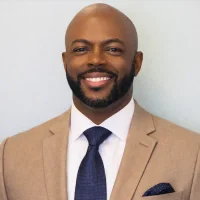
"The people who build lasting wealth are not the ones who chase every trend — they are the ones who find the right team, ask the right questions, and stay committed to a strategy that reflects their actual life. At Wealth Focus Group, we believe financial empowerment starts with leadership: yours and ours. When you show up with clarity and we show up with conviction, that is when real progress happens." — Kenneth Francis, Wealth Focus Group
What Leadership Transitions Tell You About an Organization
Watch how companies handle leadership transitions. It tells you everything. When QX Global Group appointed Vijay Pahuja as Group CEO, the outgoing CEO Pom Chakravarti did not disappear — he moved into a board role focused on strategic client relationships. That is a mature transition. Continuity of culture, evolution of leadership.
TO BE A DISRUPTOR, OR BE DISRUPTED — THAT IS THE QUESTION
"The 9th Disruption" — your free copy. Read it before your competition does.
For investors and small business owners, this kind of institutional behavior signals stability. When you are evaluating a fintech platform, an AI consulting firm, or a financial services partner, look at how they handle change. Do leaders protect the culture or disrupt it carelessly? Stability in leadership translates directly to reliability in service.
The Belize Principle: Test Before You Commit
Here is a financial metaphor hiding inside a real estate story. Belizehub's advice to expats considering buying property in Belize is simple: rent first, buy later. You would not buy a car without a test drive. Yet people make six-figure financial commitments — in real estate, in investments, in business partnerships — based on a two-week impression.
The smartest financial decisions come after deliberate exposure. Rent the strategy before you own it. Pilot the platform before you integrate it. Study the blockchain protocol before you allocate capital to it. This is not timidity — it is precision. And precision is what separates wealth builders from wealth chasers.
Frequently Asked Questions
What are deep in the money options and are they right for long-term investors?
Deep in the money options have strike prices significantly below (calls) or above (puts) the current market price. They carry near-100% delta and mostly intrinsic value. They suit long-term investors who want leverage with lower time-decay risk compared to at-the-money options.
How does fintech help small business owners manage money better?
Fintech platforms like BharatPe simplify payments, expand access to credit, and reduce friction in daily financial operations. For small business owners, the right fintech tools can replace multiple legacy systems and provide real-time financial visibility without requiring a large back-office team.
Why does leadership culture matter when choosing a financial services partner?
Leadership culture determines how an organization behaves under pressure, how it treats clients during difficult markets, and whether its long-term incentives align with yours. A strong culture produces consistent, trustworthy service — which is non-negotiable when your financial future is involved.
What does blockchain have to do with everyday investing or small business finance?
Blockchain technology underpins an expanding range of financial tools — from payment verification to smart contracts and digital asset management. For small business owners and investors alike, understanding blockchain's role in fintech helps you evaluate emerging platforms with confidence rather than confusion.
Your Next Move Starts With the Right Team
Leadership, culture, and conviction are not soft concepts. They are the hard infrastructure of every financial decision that holds up over time. Whether you are exploring advanced investing strategies, evaluating fintech solutions for your small business, or making a major life and wealth decision, the pattern is the same: find the right people, test before you commit, and build with intention.
At Wealth Focus Group, Kenneth Francis and his team work with clients who are ready to save smarter, earn strategically, leverage wisely, and protect what they build. If you are ready to move from information to action, start the conversation at Wealth Focus Group — where your financial clarity begins with the right leadership in your corner.